
Last updated: November 13, 2026
Key Takeaways
- Store the tent bone-dry, then let air circulate around it instead of trapping moisture.
- Keep taped seams relaxed in storage so repeated bends do less damage.
- A stuff sack works for trips, but a loose storage bag is better for months off the trail.
- Store poles with the sections relaxed so the shock cord is not under constant pull.
Camping tent long-term storage goes wrong when fabric stays damp, seams stay stressed, and poles stay bent. Dry it fully, loosen the poles, and store the tent in a breathable bag, not a tight stuff sack. The steps below address mildew, seam tape peeling, and shock-cord wear.
How do you store a camping tent without mildew?
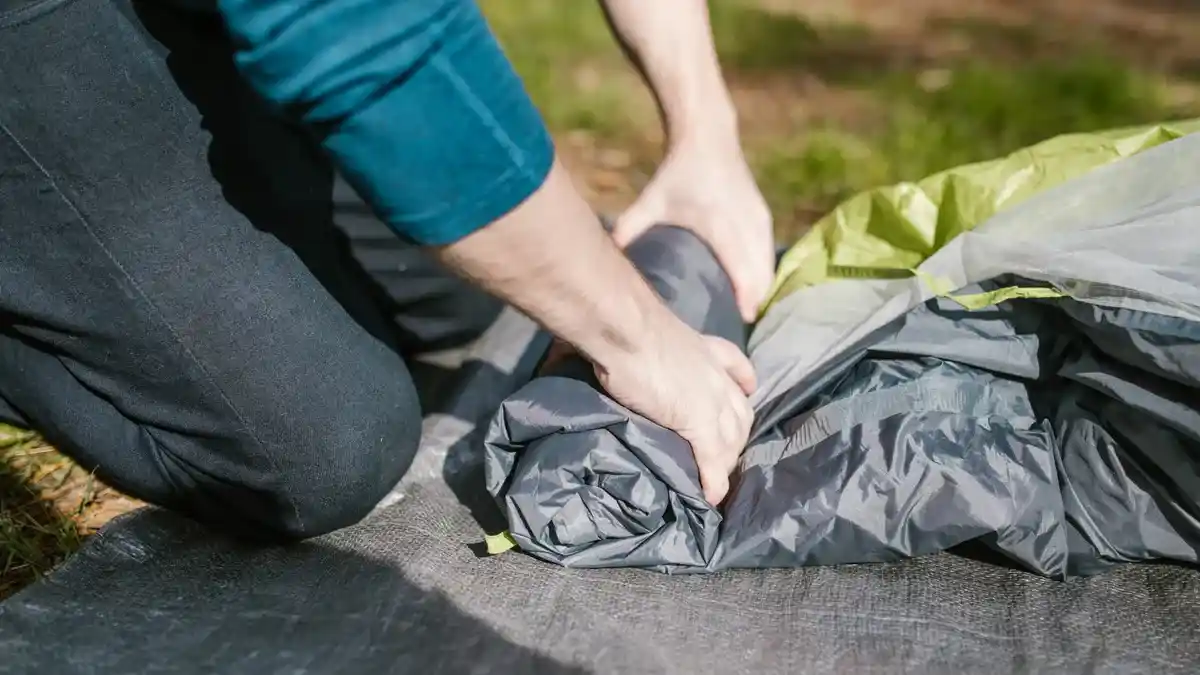
You store a camping tent without mildew by putting it away bone-dry, then keeping air around the fabric instead of trapping moisture against it. The CDC and EPA both stress moisture control as the first defense against mold, and the same rule applies here. That means a 24-hour dry-down at minimum in a shaded, airy spot if the tent feels even slightly damp, plus a storage container that breathes.
Picture this: you’ve just come back from a rainy weekend, and the tent looks clean enough. The hidden problem is the humidity inside the fabric and along stitched seams, where mildew can start before the bag is even zipped. That is the part to beat.
Dryness first, and 24 hours is the minimum if any panel still feels cool or damp.
- Microfiber cloth: wipe off dirt and water, then open every door, vent, and window.
- Shade and airflow: hang or drape the tent until all fabric, mesh, and floor panels feel dry to the touch.
- Soft brush: remove grit from zippers, corners, and seam folds so grime doesn’t hold moisture.
- Breathable mesh duffel: pack the dry tent loosely so air can move around the shell.
A breathable mesh duffel helps because it does not trap the last bit of moisture the way a sealed plastic tote can. If you only have the original sack, leave the tent uncompressed and store it where air moves.
Here’s the catch: mildew can still appear on a tent that was “mostly dry.” The floor, the stuff sack, and the folded seam edges dry slower than the fly. If you live in a humid room, check the tent after the first 7 days in storage and re-dry it if you smell anything musty.
A few sources worth knowing: the CDC’s mold guidance explains why damp fabric and poor airflow invite mold growth, and the EPA’s mold information page says moisture control is the real fix. Those are general mold resources, but the principle fits tents exactly. See the CDC and EPA guidance on mold and dampness, plus REI’s storage advice on keeping tents dry.
What keeps seam tape from peeling during storage?
Seam tape stays put when the tent is stored flat or loosely folded, with the taped seams relaxed instead of creased into sharp, repeated bends. Heat, tight folds, and trapped moisture are the three common reasons seam tape peeling gets worse in storage.
Picture this: you fold the fly the same way every time, and the same taped ridge gets pinched into the same place every time. After a few seasons, that line starts to crack or lift. You did not damage it in one day; you wore it out fold by fold.
Repeat bends hurt tape, especially when the same fold line is used again and again.
- Smooth the fly: lay the tent body or rainfly on a clean surface and flatten the taped seams by hand.
- Refold differently: change the fold line each time so the same tape edge isn’t under stress.
- Keep it cool: store the tent away from a hot attic, car trunk, or sunny window.
- Use the right bag: choose a larger sack or breathable duffel so the tent isn’t forced into a tight cylinder.
The adhesive on seam tape does not like heat plus pressure. That matters most for polyurethane-coated tents, because polyurethane hydrolysis can weaken waterproof coatings over time when moisture and heat stay in the mix. Storage won’t stop aging forever, but it can slow the conditions that speed it up.
Silnylon behaves differently. It usually doesn’t rely on seam tape in the same way, but it still hates damp storage and repeated tight packing. If your tent has taped polyurethane seams, treat those taped lines like they’re fragile, and if they already look lifted or gummy, consult the tent maker or a repair professional before forcing the folds.
Which bag should I use for long-term tent storage?
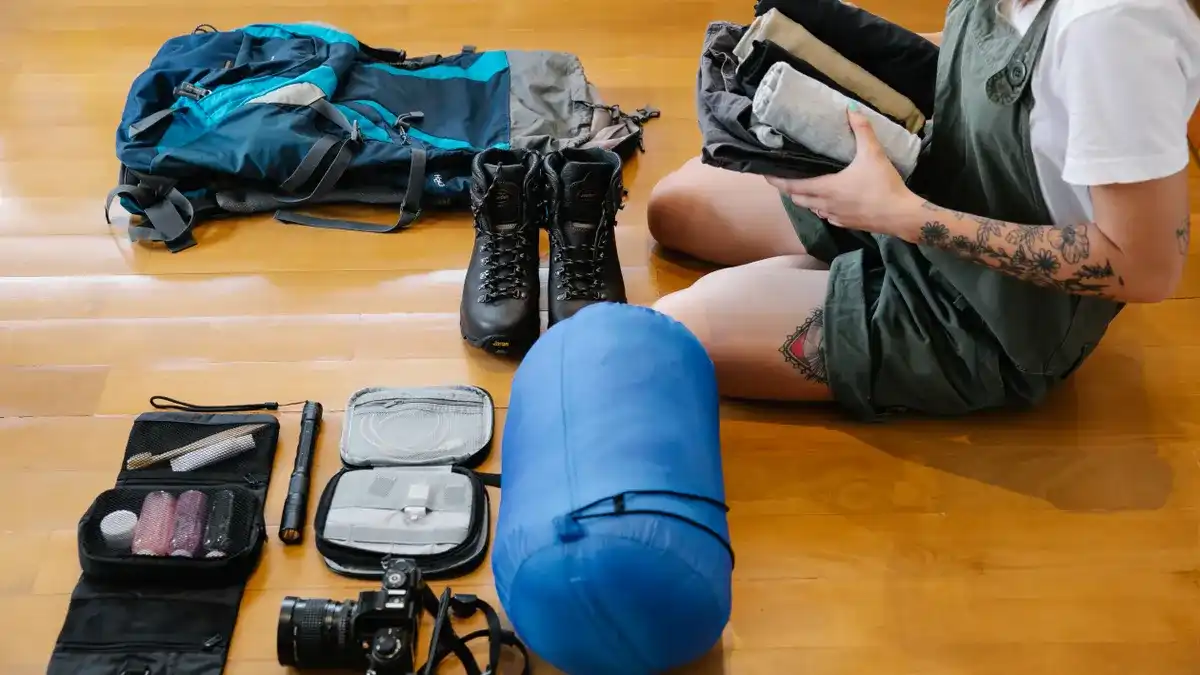
A breathable mesh duffel is often the best storage bag for long-term tent storage because it leaves room for air and reduces the tight compression that stresses fabric, tape, and elastic parts. The original stuff sack is fine for a hike, but it is a poor home for a tent that may sit unused for months.
Picture this: you’re deciding between the small factory sack and a larger storage bin. The small one looks tidy, but it squeezes the fabric hard and keeps it packed in the same shape. The bigger one looks messy, but messy is better here.
Space beats neatness, especially for off-season storage.
| Storage option | Best for | Core spec | Standout feature | Action |
|---|---|---|---|---|
| Breathable mesh duffel | Long-term home storage | Loose packing | Airflow around damp-prone fabric | Choose this for off-season storage |
| Oversized cotton sack | Dry indoor closets | Soft, non-abrasive fabric | Less compression than a stuff sack | Use if mesh isn’t available |
| Original stuff sack | Short trips only | Tight fit | Easy to carry | Skip for months-long storage |
| Plastic tote with lid | Dust protection only | Airtight-ish container | Blocks dust, not moisture | Avoid unless the tent is fully dry and you add ventilation |
The downside of a mesh duffel is that it doesn’t protect against dust as well as a sealed bin. It also won’t save a damp tent from itself. If the tent still smells like a damp basement, the bag is the wrong fix.
Who Should Skip This: anyone storing gear in a dusty garage with pests should skip an open bag and use a clean, dry, climate-stable closet instead.
Buy this if: you’re storing a family tent or backpacking tent for a season and want a safer fit for fabric and tape.
Skip this if: you need compact car storage and the tent must stay packed for travel.
How should you store tent poles so shock cord doesn’t stretch?
You store tent poles with the sections relaxed, not under tension, because shock cord tension is what slowly weakens the elastic inside the pole set. The goal is simple: lower the stretch before the poles sit for months.
Picture this: the pole set is snapped together in a tight arc inside a hot closet. The elastic core keeps pulling day after day, even though the tent isn’t pitched. That constant pull is what shortens cord life.
Relax the poles, and keep the sections from pulling against one another.
- Pole bag: keep poles straight or lightly curved, not forced into a tight bend.
- Elastic check: if the cord already feels slack, replace it before storage season.
- Room temperature closet: avoid attic heat, car trunks, and shed walls that get hot.
- Separate bundle: don’t strap poles hard against the tent body for the whole off-season.
A few pole sets use fiberglass; others use aluminum. The material matters less for storage than the elastic inside, because the cord is the part that usually loses snap first. If a pole section keeps popping apart at the ends, that’s a storage clue, not just bad luck.
The mistake here is overthinking the pole material and ignoring the cord. A bent pole sleeve won’t help, but a stretched shock cord turns assembly into a wrestling match later. If the cord is old, replacing it before storage is smarter than finding out on a wet weekend.
What should I do before putting the tent away for winter?
You should clean, dry, and inspect the tent before winter storage, because dirt holds moisture and damaged coatings age faster in storage. A 30-minute inspection can save you from opening a moldy bag in spring.
Picture this: mud is dried on the floor, pine needles are trapped in a zipper, and the rainfly still has a little campsite smoke on it. That grime is more than cosmetic. It can hold dampness in seams and scratch coatings when folded.
Clean gear stores cleaner, and a half hour now can save a repair later.
- Mild soap: wash off soil from the floor, fly, and zipper tracks.
- Clean water: rinse the soap completely so residue doesn’t sit on the coating.
- Dry towel: blot wet spots, then air-dry again before packing.
- Flashlight: inspect seam tape, corners, and pole sleeves for peeling, cracks, or sticky spots.
If you see sticky or chalky coating on the inside of a rainfly, that can be an early sign of coating breakdown. Polyurethane-coated fabric is the classic case, and it is exactly why a tent should never go into storage while warm, damp, and folded tight.
The truth is, not every tent needs full washing every time. But every tent does need a clean, dry reset before storage. Skip the “it’ll be fine” approach, because hidden grit and moisture are what turn a decent tent into a smelly one.
For a broader home setup, the guide to store camping gear at home belongs with this routine. The storage spot matters almost as much as the tent itself, and the same dry-storage rule applies to sleeping bags and pads too.
Where should the tent live during the off-season?
The tent should live in a cool, dry closet or shelf space, away from sunlight, heaters, and concrete walls that sweat. A stable indoor spot is better than a garage, attic, or trunk almost every time.
Picture this: the tent is dry, bagged loosely, and then parked next to a water heater or in a shed that swings hot and cold all week. That temperature swing pushes moisture in and out of the fabric and can speed coating wear.
Stable beats convenient, and a closet shelf usually wins on both temperature and airflow.
A good storage spot has three traits:
- Low humidity: not a damp basement corner.
- Low heat: not a hot attic or car.
- No pressure: nothing heavy stacked on top of the packed tent.
A closet shelf works because it keeps the tent off the floor and away from sudden weather swings. If the only option is a garage, put the tent in a breathable bag, lift it off concrete, and check it every few weeks during humid months.
One hard truth: a tent that smells “fine” in October can smell wrong by spring if the storage space stays damp. That smell is often the first sign of mildew, long before visible spots show up. If you catch it early, re-dry the tent right away and repack it looser.
How do I know I stored it right?
You know it was stored right when the tent smells neutral, the fabric feels dry, the seam tape lies flat, and the pole cord still has light tension instead of feeling limp or over-stretched. A quick monthly check during the off-season is enough for most home storage setups.
Picture this: you pull the bag out after a month and open it in good light. There’s no sour smell, no damp feel, and no sticky coating on the inside of the fly. That’s the result you want.
No smell, no tackiness, and no hidden damp spots.
If you want a simple check list, use this:
- Smell test: no musty or sour odor.
- Touch test: fabric feels fully dry.
- Seam test: tape edges are flat, not lifting.
- Pole test: shock cord feels normal, not slack or over-tight.
If any of those fail, re-dry the tent right away and repack it more loosely. That response is faster than dealing with mildew later, and far cheaper than replacing a fly or re-seaming a tent.
The EPA and CDC both treat moisture control as the main defense against mold, and tent care follows the same logic. Keep them dry, keep them ventilated, and keep them out of heat.
Why does my tent smell like vomit in storage?
That smell usually means mildew or mold has started in the fabric, seams, or stuff sack. The tent was likely packed while damp, or stored in a place with too much humidity. Air it out right away, dry every panel, and check the seam tape and floor for sticky or discolored spots.
Can you store a tent folded tightly?
You can, but it is a bad idea for long-term storage. Tight folding compresses seam tape, creases coated fabric, and keeps the same stress points in place for months. A loose fold or breathable duffel is safer if the tent will sit unused for a season or longer.
How do you store tent poles so shock cord doesn’t stretch?
Store tent poles relaxed and not forced into a hard curve. Keep them in a straight or lightly curved pole bag, away from heat and tension, so the shock cord isn’t pulled day after day. If the cord already feels weak, replace it before storage.
Drafted with AI; not yet reviewed by a person.
One thought on “How to Store Camping Tents to Prevent Mildew and Seam Tape Peeling”