
Declutter camping gear by sorting each piece into one of five outcomes: keep it if you use it or plan to soon, repair it if fixing costs less than replacing it, sell it if it’s in demand and good condition, donate it if it still works, or recycle it once it’s beyond repair. Almost nothing has to go straight in the trash.
Key Takeaways
- Five outcomes cover every piece of gear: keep, repair, sell, donate, or recycle. Almost nothing needs to go straight to the trash.
- A repair is usually worth it when the fix costs meaningfully less than a replacement; cracked tent poles, clogged stove fuel lines, and broken sleeping bag zippers are common, fixable failures.
- Gear that’s clean, functional, and in demand, like a name-brand sleeping bag or a working stove, is worth trying to sell before you donate it.
- Fabric, foam, and metal gear too worn to repair or donate can often be recycled through a brand take-back program or a general textile or metal recycler instead of landfilled.
- Fuel canisters are the one exception: they must be fully empty and handled through your local hazardous-waste or metal-recycling rules, never tossed in a curbside bin.

How Do You Know If It’s Time to Declutter Camping Gear?
Most advice about decluttering treats camping gear like any other closet clutter: pull everything out, decide what to keep, box up the rest. That skips the part that actually matters for outdoor gear, which is that a tent, a stove, and a sleeping bag each fail differently and have different second-life options. A general decluttering checklist won’t tell you whether a cracked tent pole is worth fixing or whether a sleeping bag with a broken zipper belongs in the donate pile or the recycle pile.
A good rule of thumb: if you haven’t used an item in a full camping season (roughly 12 months) and you don’t have a specific, dated trip where you plan to use it, it’s a candidate for one of the four outcomes below instead of storage space. Gear you’ve outgrown, like a kid-sized sleeping bag or a stove too small for your current group size, falls into the same category even if it’s barely used.
What’s the Keep, Repair, Sell, Donate, or Recycle Decision?
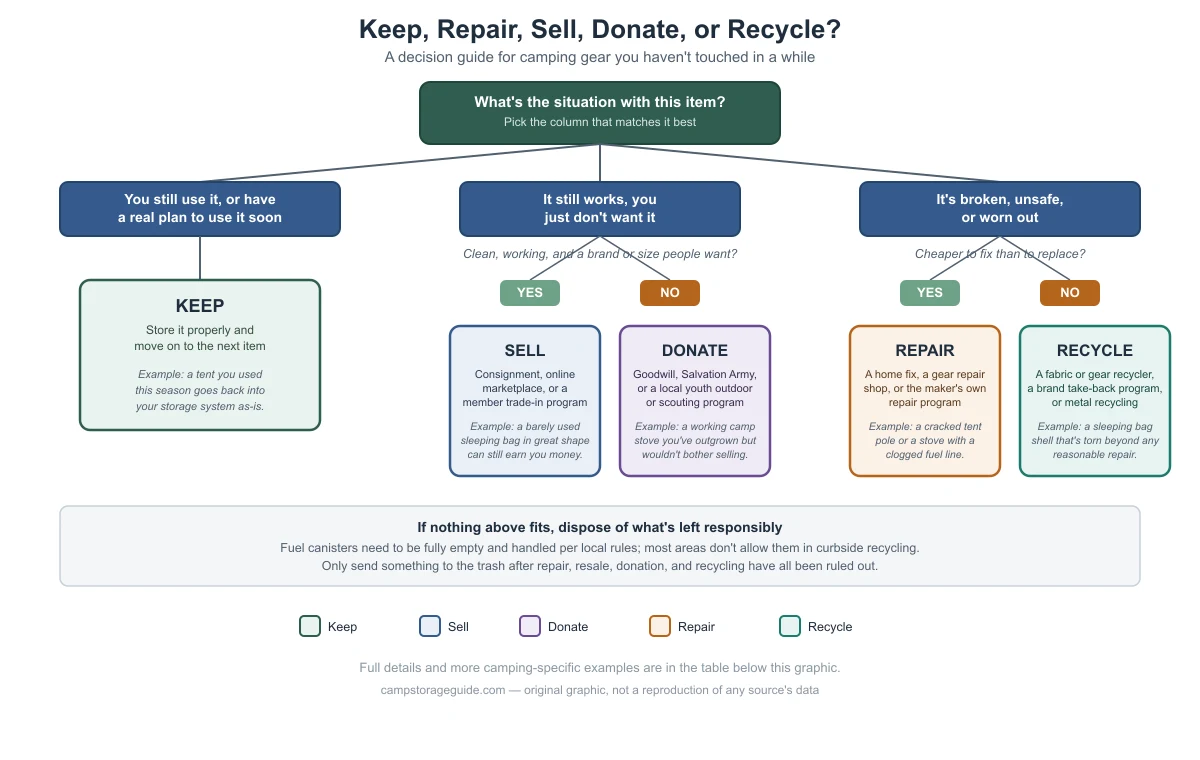
The graphic and table below sort any piece of camping gear into one of five outcomes, using the same three questions every time: do you still use it, does it still work, and would someone pay for it as-is? Follow one path down to your answer.
| Decision | Ask yourself | Camping gear example | What to do next |
|---|---|---|---|
| Keep | Have you used it this season, or do you have a real plan to use it soon? | A tent you pitched last month | Clean it, store it properly, and move on to the next item |
| Sell | Does it still work, and is it clean, functional, and a brand or size people want? | A barely used, name-brand sleeping bag | List it on a consignment site, an online marketplace, or a member trade-in program |
| Donate | Does it still work, but isn’t worth the effort of selling? | A working camp stove you’ve outgrown | Give it to Goodwill, Salvation Army, or a local youth outdoor or scouting program |
| Repair | Is it broken or unsafe, but cheaper to fix than to replace? | A tent with a cracked pole or a stove with a clogged fuel line | Fix it yourself with a repair kit, or send it to a gear repair shop or the maker’s own repair program |
| Recycle | Is it broken, unsafe, and not worth repairing? | A sleeping bag shell torn beyond any reasonable repair | Send the fabric or metal to a gear recycler or a brand take-back program instead of the trash |
When Should You Repair Camping Gear Instead of Replacing It?
Repair makes sense whenever the fix costs meaningfully less than buying new, and outdoor gear fails in a handful of predictable, fixable ways. Tent poles crack or lose their shock cord; stoves clog at the fuel line or jet; sleeping bags lose a zipper pull or tear a baffle. None of these require replacing the whole item.
REI runs an in-house repair service for tents, packs, sleeping bags, and rainwear from any brand, working with its longtime repair partner Rainy Pass Repair, which quotes a typical turnaround of about one to two weeks for sewing repairs like zippers, fabric patches, and hardware replacement. If you own gear from a specific outdoor brand, check that brand’s own repair program first. Patagonia, for example, repairs its own products for a flat $15 round-trip shipping fee covering fabric tears, stitching, buckles, and zippers, and recycles anything it can’t fix.
Before you pay for a repair, get a rough quote. If the quote approaches the price of a comparable new item, it’s usually better to move that piece of gear to the sell, donate, or recycle column instead.
Where Can You Sell Camping Gear You No Longer Use?
Selling makes sense for gear that still works and is clean enough that you’d be comfortable using it yourself. A general online marketplace or a local outdoor-gear consignment shop both work well for this. If you’re a co-op member, REI’s Re/Supply program also lets you trade in eligible used gear, including tents, sleeping bags, packs, and footwear, for an REI gift card; check the program’s own eligibility and condition requirements before you count on a specific item qualifying.
Don’t bother listing anything that needs a repair first unless you disclose the issue and price accordingly. A buyer expects gear listed as working to actually work.
Where Can You Donate Camping Gear in Good Condition?
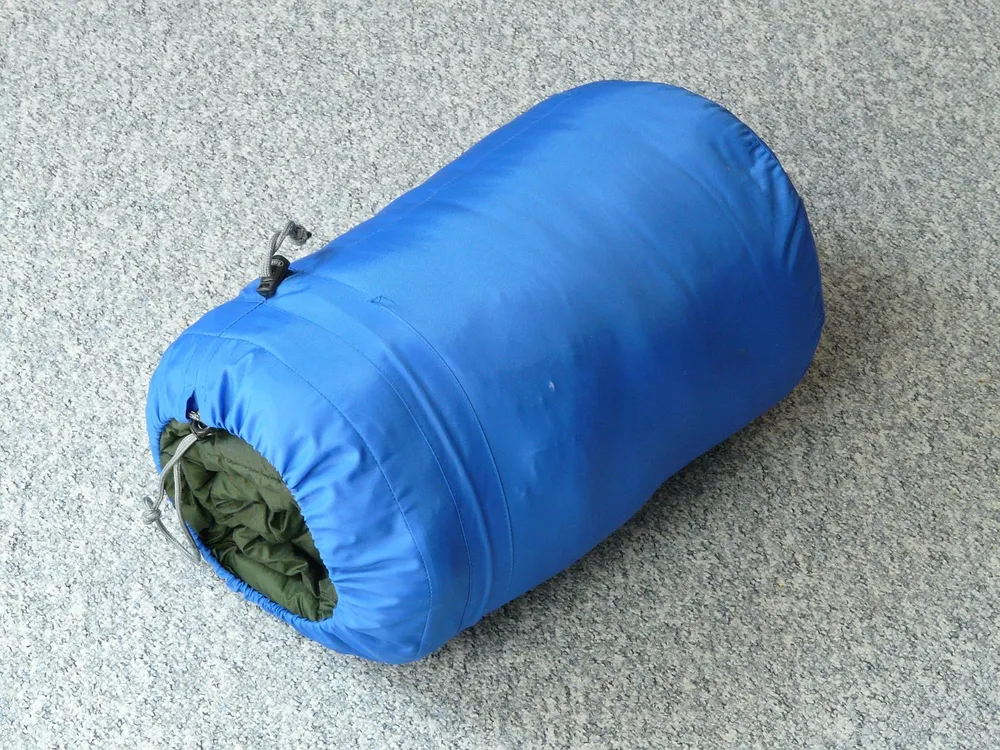
Donate when an item still works but isn’t worth the time it takes to photograph, list, and ship for a small amount of money. General donation centers like Goodwill and Salvation Army accept outdoor gear alongside clothing and housewares. For gear that’s a good fit for younger campers specifically, like kid-sized sleeping bags, tents, backpacks, and stoves, look for a local Scout troop, YMCA outdoor program, or youth-focused outdoor nonprofit near you; many of these groups take gear donations directly rather than through a general thrift store.
Call ahead before you drop anything off. Donation programs vary in what they can accept, and a quick call saves you a wasted trip if an item doesn’t fit what a specific program currently needs.
How Do You Recycle Camping Gear That Can’t Be Repaired or Donated?
Recycling is the right call once an item is too worn or damaged to repair, sell, or donate honestly, which still beats sending fabric, foam, and metal straight to a landfill. The Washington Trails Association points campers toward specialized recyclers like Green Guru, which accepts old tents along with climbing ropes and bike tubes, and recommends checking whether your gear’s original manufacturer runs its own take-back or recycling program before assuming an item has to go in the trash.
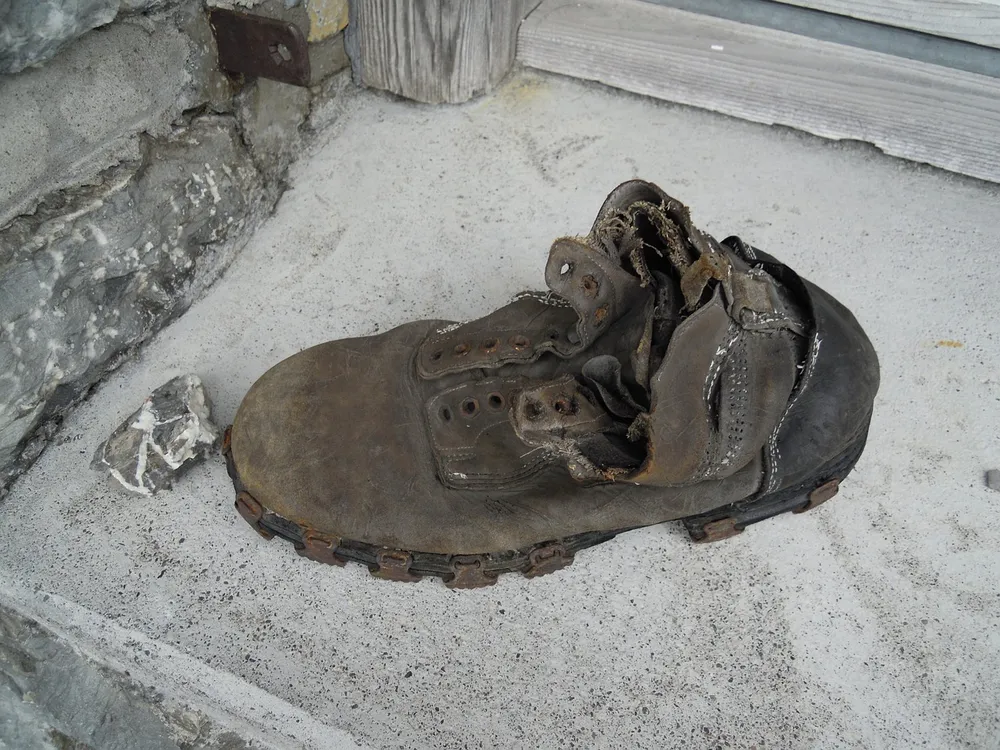
A torn tent floor, a sleeping bag shell that won’t hold a patch, or a pack with a broken frame are all reasonable candidates for this route. General textile recycling programs, including some curbside and drop-off services, will often take fabric camping gear alongside old clothing, since the material itself (nylon, polyester, down, or synthetic insulation) can be reprocessed the same way.
Safety note on fuel canisters: empty isobutane or propane canisters are not curbside recyclable in most areas and should never go in a regular recycling or trash bin while there’s any chance fuel remains inside. Confirm a canister is completely empty before disposal, and take it to a household hazardous-waste collection site or a metal recycling center that accepts them, following your local rules. Never puncture or burn a canister to empty it.
How Does Decluttering Fit Into Your Overall Storage System?
Decluttering works best as a regular habit, not a one-time project. Once you’ve sorted through what you actually use, the gear that’s left needs an actual home, and the right storage location depends on how often you grab it and what climate control you have available. Our complete camping gear storage system guide walks through matching each category of gear to a garage zone, closet, shed, or apartment setup.
If space is tight enough that you’re considering paying for storage, it’s worth decluttering first; there’s no reason to pay monthly for a unit holding gear you’d otherwise sell, donate, or recycle. Our self-storage unit vs. home storage comparison breaks down when a paid unit actually makes financial sense once you’ve trimmed down to what you keep. And if you’re working with a small apartment rather than a garage or shed, our guide to storing camping gear in a small apartment shows renter-safe storage zones sized for whatever’s left after you declutter.
Frequently Asked Questions
How often should I declutter my camping gear?
Once a year works well for most campers, ideally at the start of your off-season when you’re already cleaning and inspecting gear before storing it. That’s the natural point to notice what you didn’t use all season.
Should I keep gear “just in case” I need it someday?
Only if you have a specific, plausible use in mind, like a spare stove for group trips or a backup tent for guests. Gear kept for a vague future scenario usually just takes up space you could use for things you actually plan to do.
Is it worth repairing a cheap piece of gear?
Get a repair quote before deciding. A simple fix, like a new zipper pull or a pole splint, is often worth doing even on inexpensive gear. If the quote is close to the replacement cost, repairing rarely makes sense.
Can I donate camping gear that needs minor repairs?
Some donation programs accept gear that needs small fixes, but many don’t have the capacity to repair items themselves. Call the specific program first and describe the issue so they can tell you whether they’ll take it as-is.
What should I do with an empty propane or isobutane canister?
Confirm it’s completely empty, then take it to a household hazardous-waste site or a metal recycler that accepts fuel canisters, following your local area’s rules. Don’t put it in curbside recycling or regular trash, and never puncture or burn it to empty it.
Sources
- REI — Clothing & Gear Repair Services
- Rainy Pass Repair — Services
- REI Co-op Journal — Member Benefit Highlight: Trade In Gear with Re/Supply
- GearJunkie — Stop Throwing Your Gear Away: These Brands Offer Free Repairs
- Washington Trails Association — How to Recycle Your Hiking Gear
By campstorageguide.com Editorial Team. Last updated: November 13, 2026.