
A closet beats a garage, and a garage beats a shed, on temperature stability, moisture, pests and security for camping gear. The one exception: fuel canisters and propane belong in a shed or ventilated garage, never a closet. The scorecard below scores all three locations side by side so you can match gear to the right spot instead of guessing.
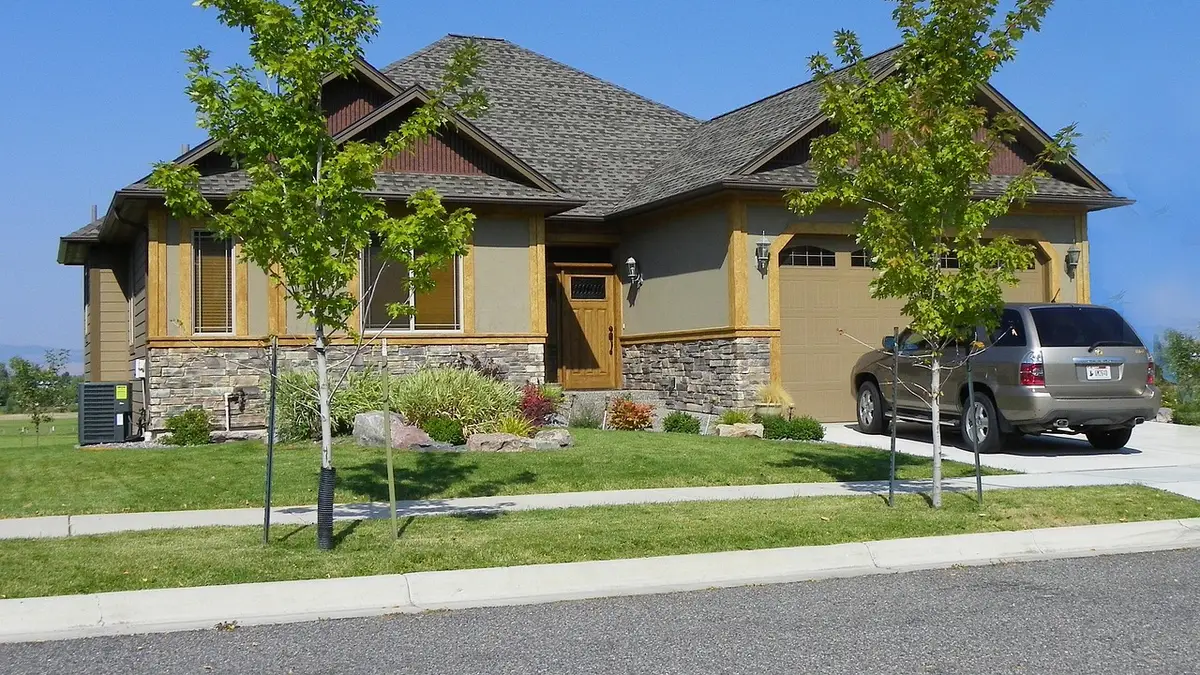
Key takeaways
- Scored on temperature swing, moisture risk, pest risk, security and access speed, a closet wins on all five; an attached garage lands in the middle; a detached shed scores the lowest on all five.
- The one exception: fuel canisters, propane and other flammables should go in a detached shed or a ventilated garage, never in an interior closet, regardless of how the closet scores elsewhere.
- The real limit on using a closet for everything isn’t these five factors — it’s size. Most closets can’t hold a tent, cooler, camp chairs and sleeping bags for a family at once.
- The Environmental Protection Agency (EPA) recommends keeping indoor humidity below 60% (ideally 30-50%) to prevent mold; sheds and garages are far more likely to cross that line than a conditioned closet.
- Mice can enter through a gap as small as 1/4 inch, per the CDC, which is why ground-level, rarely-checked sheds carry the highest pest risk of the three.
How Do Shed, Garage and Closet Storage Compare for Camping Gear?
Most articles on this topic pick one location and tell you how to use it well, without answering the question that actually comes first: which location should a given piece of gear go in at all? The scorecard below answers that directly, scoring all three options on the five factors that actually affect camping gear in storage.
This comparison is one piece of a larger system. If you haven’t settled on an overall approach yet, start with our complete camping gear storage system guide, which covers how to split gear across every space in a home; come back here when you need the detailed shed-versus-garage-versus-closet breakdown.
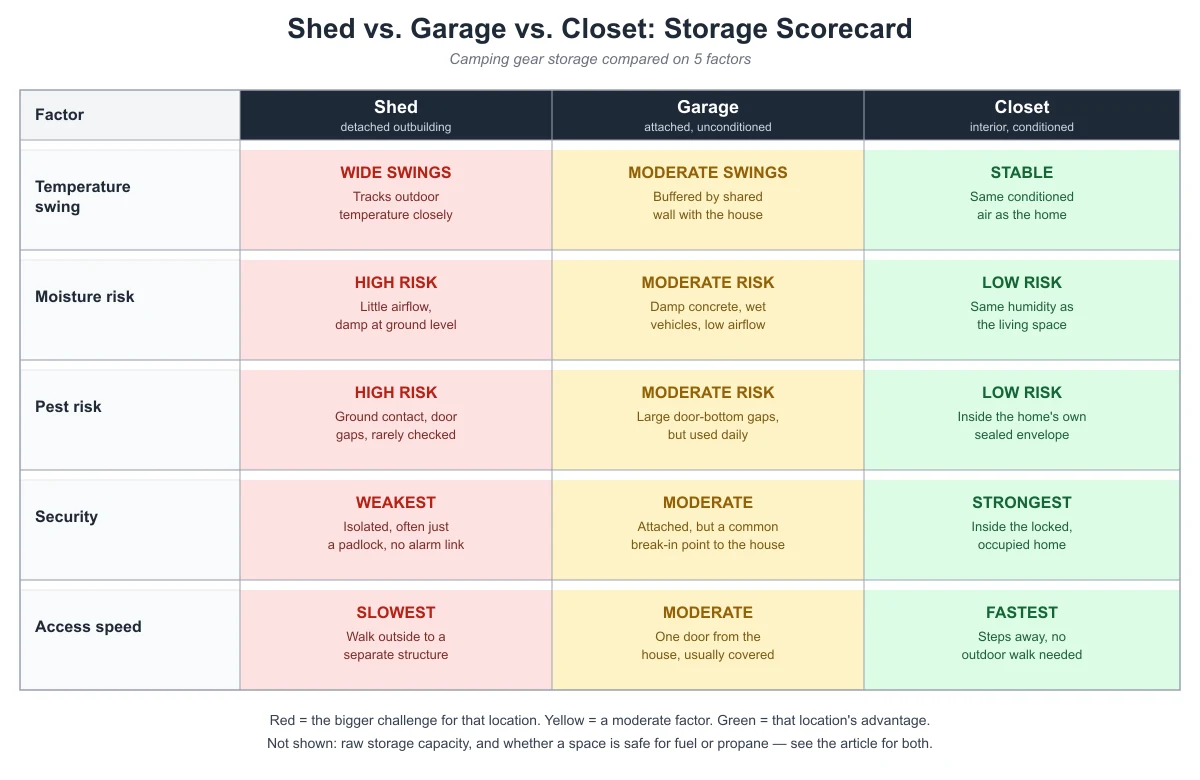
| Factor | Shed (detached) | Garage (attached) | Closet (interior) |
|---|---|---|---|
| Temperature swing | Wide swings — tracks outdoor temperature closely | Moderate swings — buffered by the shared wall with the house | Stable — same conditioned air as the rest of the home |
| Moisture risk | High — little airflow, damp at ground level | Moderate — damp concrete, wet vehicles, limited ventilation | Low — same humidity as the home’s living space |
| Pest risk | High — ground contact, door gaps, rarely checked | Moderate — large door-bottom gaps, but used daily | Low — inside the home’s own sealed, pest-excluded envelope |
| Security | Weakest — isolated, often secured with just a padlock | Moderate — attached, but a common break-in point into the house itself | Strongest — inside the locked, occupied home |
| Access speed | Slowest — requires going outside to a separate structure | Moderate — one door from the house, usually under cover | Fastest — steps away, no outdoor walk required |
Reading the pattern straight down the columns, a closet wins on every factor here, a garage sits in the middle, and a shed scores the lowest on every factor here. That doesn’t mean a closet is always the right answer — it means these five factors aren’t the whole story. The next two sections cover what the scorecard doesn’t capture: space, and fuel safety.
Why Does a Shed Score Lowest on Every Factor?
A detached shed is, by definition, not part of the house’s building envelope. It has no shared wall to buffer temperature, no connection to the home’s heating or cooling, and usually no insulation. That’s why its interior temperature tracks the outdoor temperature closely through every season, and why humidity inside a shed is harder to control than humidity inside a conditioned home.
Moisture compounds the problem. A shed sits closer to grade, often with a dirt or bare-concrete floor, and gets little of the airflow a house gets from HVAC systems and exhaust fans. The EPA’s guidance on mold and moisture is direct: keep indoor relative humidity below 60%, ideally between 30% and 50%, and dry anything damp within 24-48 hours, because mold can take hold within that window once conditions are right. A shed makes both halves of that rule harder to follow.
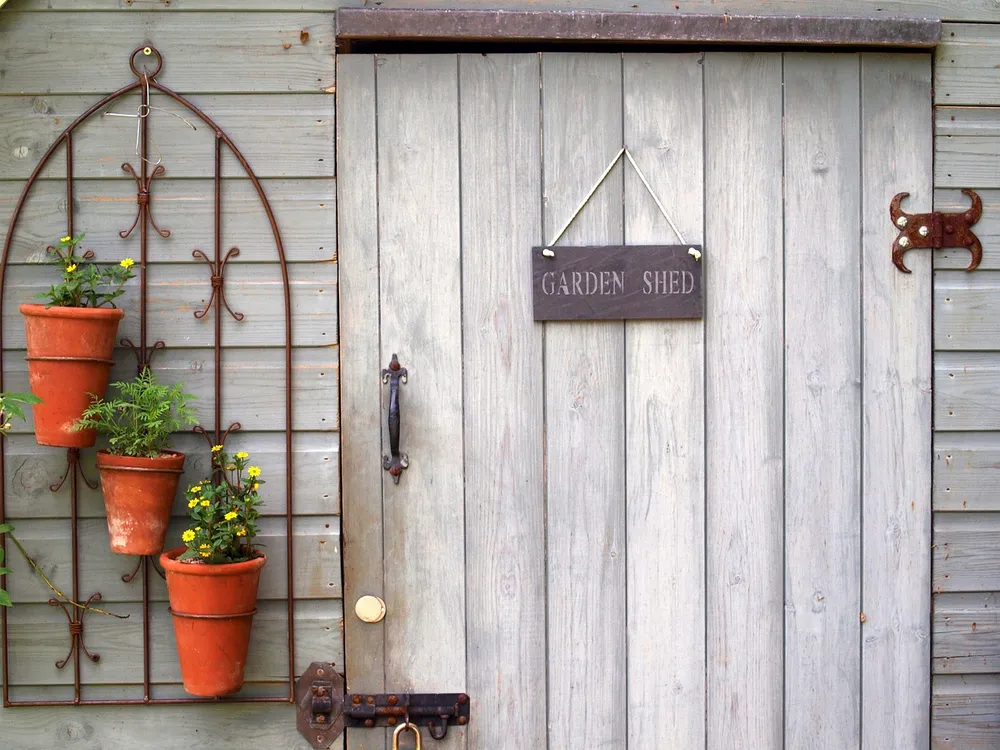
Pests follow the same logic. The CDC notes that mice can fit through a gap about the width of a pencil — roughly 1/4 inch — and a shed typically has more of those gaps than a house: around the door bottom, at the floor-wall joint, and wherever the structure has settled or weathered. Because a shed is visited less often than a garage or a closet, a rodent problem can go unnoticed for weeks, which is exactly the setup that lets mice chew into a stored tent or nest inside a loose sleeping bag.
Security and access speed round out the list. A detached shed is usually locked with nothing more than a padlock, sits out of sight of the house, and has no overlap with a home’s alarm system or occupant activity — all things that make it the easier target of the three locations. And because it’s physically separate from the house, reaching it always costs you a walk outside, in whatever weather you’re having that day.
Why Does an Attached Garage Land in the Middle?
An attached garage shares a wall with the conditioned part of the house, which measurably narrows its temperature swings compared with a detached structure — that shared wall is also why an uninsulated garage door pulls heat or cooling out of the adjacent room and raises a home’s energy use. It’s still an unconditioned space, so it swings with the seasons more than any interior room, just less dramatically than a shed sitting fully outside the building envelope.
The same middle-ground pattern holds for moisture (a garage collects damp from wet vehicles and a bare concrete slab, but usually gets more incidental airflow than a shed from the vehicle door and a connecting door to the house), for pests (the gap under a garage door is often larger than any gap in a shed, but daily use and proximity to the house make an infestation more likely to be noticed early), and for security (an attached garage is harder to break into unnoticed than an isolated shed, but it’s also a well-known point of entry into the home itself, which is why pros recommend never leaving it unlocked when you’re not home).
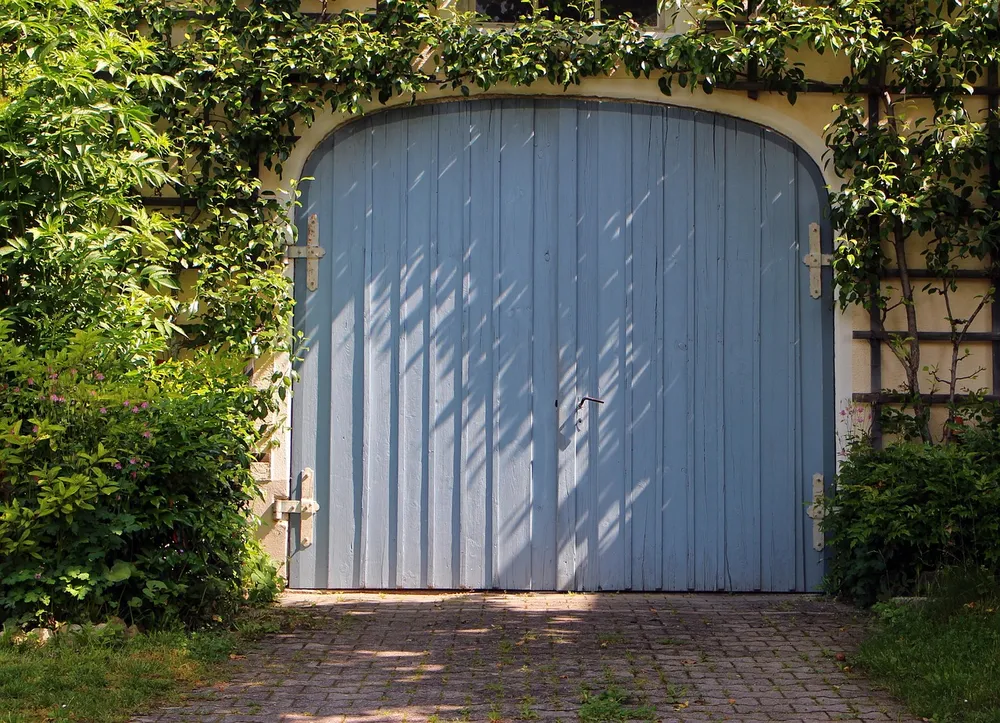
Practically, that middle score is why a garage works well for gear used moderately often, as long as it’s organized and sealed rather than left as one open pile. Our garage zone-by-zone plan covers exactly how to lay out shelving by how fast you need to grab each item, and which items need a sealed bin instead of an open shelf to offset the garage’s moderate moisture and pest risk.
Why Does a Closet Win on Every Factor — and Why Doesn’t That Settle It?
An interior closet sits inside the same conditioned, pest-excluded, alarm-covered envelope as the rest of the house. It doesn’t have a separate temperature or humidity profile to manage, it doesn’t have a ground-level entry point for rodents, and it benefits from every lock, light and occupant that protects the rest of the home. Reaching it costs nothing more than walking down a hallway. On these five factors alone, there’s no contest.
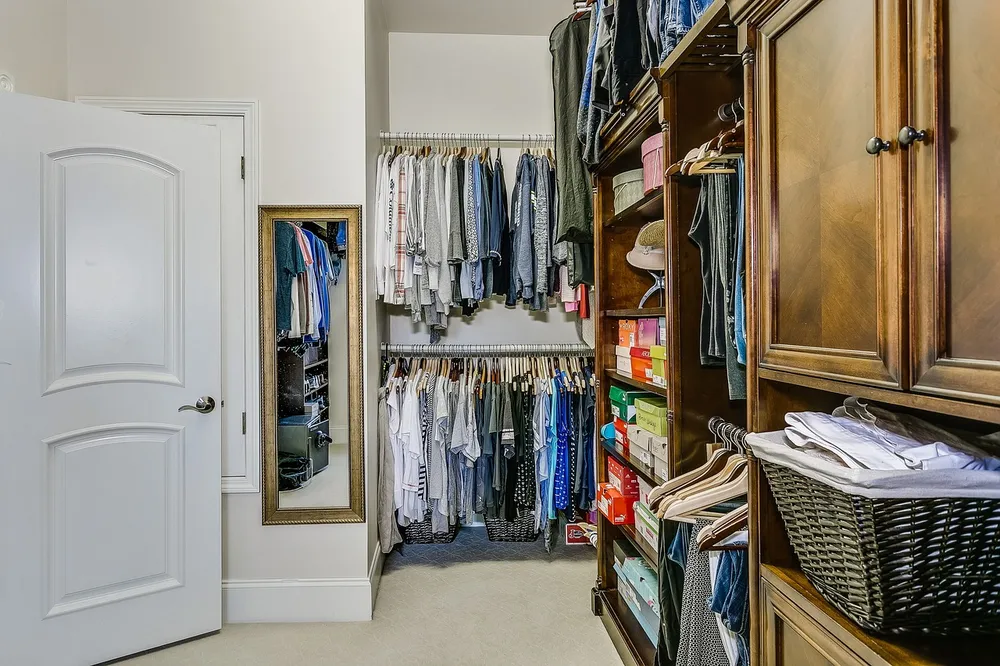
What the scorecard doesn’t measure is capacity. A hall or entry closet that holds a tent, two sleeping bags and a couple of daypacks is usually full. It has no room left for a cooler, a stack of camp chairs, a folding table or a backpacking stove, and most households don’t have a spare closet to dedicate to camping gear alone. That’s the real reason sheds and garages stay in the picture even though they score lower here: they’re where the bulk of a household’s camping gear physically has to live once it outgrows the one space that scores best.
The practical split that follows from the scorecard: send moisture-sensitive and frequently used gear (tents, sleeping bags, rain gear) to the closet when there’s room, and let the garage or shed absorb bulkier, weather-tolerant items like coolers, folding chairs and hard-sided cases that don’t suffer much from a wider temperature or humidity swing.
Where Should Fuel Canisters and Propane Go?
This is the one place the scorecard’s pattern reverses. Fuel canisters, propane cylinders and similar flammables should never go in an interior closet, no matter how well that closet scores on the other five factors, because a closet sits inside your living space with no separation from an ignition source, a water heater’s pilot light, or an electrical panel. A detached shed or a well-ventilated garage, kept away from heat sources and out of direct sun, is the safer choice for this specific category of gear, even though both score lower everywhere else.
Always follow the storage instructions printed on the canister itself, and if you’re considering storing a larger propane tank — not a small backpacking canister — check your local fire code before deciding where it goes; some jurisdictions restrict larger tanks in attached garages regardless of ventilation. For the full room-by-room moisture and humidity setup once you’ve picked a location, see How to Prevent Mold and Mildew on Stored Camping Gear.
Which Location Should You Pick If You Only Have One?
If a closet is your only option, it will outperform a shed or garage on four of five factors, but plan around its size limit: keep your most climate-sensitive and most frequently used items there, and accept that bulkier gear needs a second location, even an under-bed box or a small portable bin.
If a garage is your only option, the fix isn’t to find a different space — it’s to zone the one you have so moisture-sensitive gear sits in sealed bins rather than on an open shelf, and so fuel stays in its own ventilated corner away from the rest of your gear. Our garage zone-by-zone plan walks through that layout in detail.
If a shed is your only option, treat every item as if it will face a full range of outdoor temperature and humidity: use sealed, hard-sided bins with a desiccant packet for anything with fabric or foam, keep bins off the bare floor, and check the space each season rather than waiting until you need something urgently.
Frequently Asked Questions
Is it OK to store a tent in a shed?
Yes, as long as it’s completely dry before it goes in and stored in a sealed, hard-sided bin rather than loose on a shelf. A shed’s wider humidity swings make an already-damp tent far more likely to develop mildew than the same tent stored dry in a closet or garage.
Should sleeping bags go in a garage or a closet?
A closet is the better default for sleeping bags, since they’re sensitive to both moisture and long-term compression, and a closet’s stable humidity protects their insulation better than a garage’s seasonal swings. If closet space is tight, a garage works too, as long as the bag is stored loose in a breathable bag, not compressed, and kept off the floor.
What’s the single biggest risk of storing camping gear in a detached shed?
Moisture combined with low visibility. A shed’s humidity is harder to control than a house’s, and because sheds get checked less often than a garage or closet, a developing mold or pest problem can go unnoticed for weeks before you find it.
Is a garage safe enough for camping gear, security-wise?
A garage is more secure than an isolated shed but less secure than storing gear inside the locked house itself. Keeping the garage door locked whenever you’re not home, and not leaving expensive gear visible through garage windows, closes most of that gap.
Can I store fuel canisters in a hall closet to keep them secure?
No. Fuel canisters and propane should stay out of any interior living space regardless of how secure or convenient it is. Store them in a detached shed or a ventilated garage, away from heat sources, and follow the instructions printed on the canister.
Sources
- US Environmental Protection Agency — A Brief Guide to Mold, Moisture and Your Home
- CDC — Seal Up to Prevent Rodents
campstorageguide.com Editorial Team. Last updated: November 12, 2026.