
For most campers, home storage (a garage, closet, shed or under-bed box) beats a self-storage unit, because national average unit rates — about $135 a month, or $60-$260 depending on size — usually cost more per year than the camping gear inside is worth protecting. A self-storage unit only makes financial sense for rarely-accessed, high-value gear when no safe space exists at home at all.
Key takeaways
- National average self-storage rates run about $135 a month overall, and roughly $60-$260 a month depending on unit size — almost always more than it costs to free up the same space at home.
- Access frequency is the fastest filter: if you grab your gear more than once a month, a self-storage unit’s extra round trip erases any benefit, no matter the price.
- A simple rule of thumb: storage only clearly “pays for itself” protecting gear when the monthly rate stays under about 5-10% of the gear’s total replacement value per year — run your own numbers in the table below.
- Self storage can make sense in narrow cases: a large, high-value gear collection, a temporary move, or genuinely zero safe space at home — never as the default choice.
- Hidden costs matter: most facilities require proof of insurance, charge admin or lock fees, and can place a lien on a unit’s contents if payments lapse, so read the rental agreement before signing.
Self-Storage Unit or Home Storage: Which Wins for Camping Gear?
Search for this question and nearly every top result is a blog written by a self-storage company, and every one of them reaches the same conclusion: rent a unit. That’s not neutral advice — it’s marketing. This guide runs the actual numbers instead, using independently published storage-cost data rather than a single storage brand’s own pricing page, so you can decide based on your own gear value and how often you use it.
This question is one piece of a larger system for keeping camping gear organized long-term. If you haven’t decided on an overall approach yet, start with our complete camping gear storage system guide, which covers how to split gear across every space in a typical home; come back here when you’re specifically weighing a paid unit against space you already have.
What Does a Self-Storage Unit Actually Cost?
According to self-storage market data published by Yardi Matrix and reported in RentCafe’s August 2025 Self Storage Report, the national weighted-average street rate across the 150 largest US markets was $135 a month, covering all unit sizes and both climate-controlled and standard units. That figure moves with the broader rental market and varies a lot by city, but it’s a reasonable national baseline.
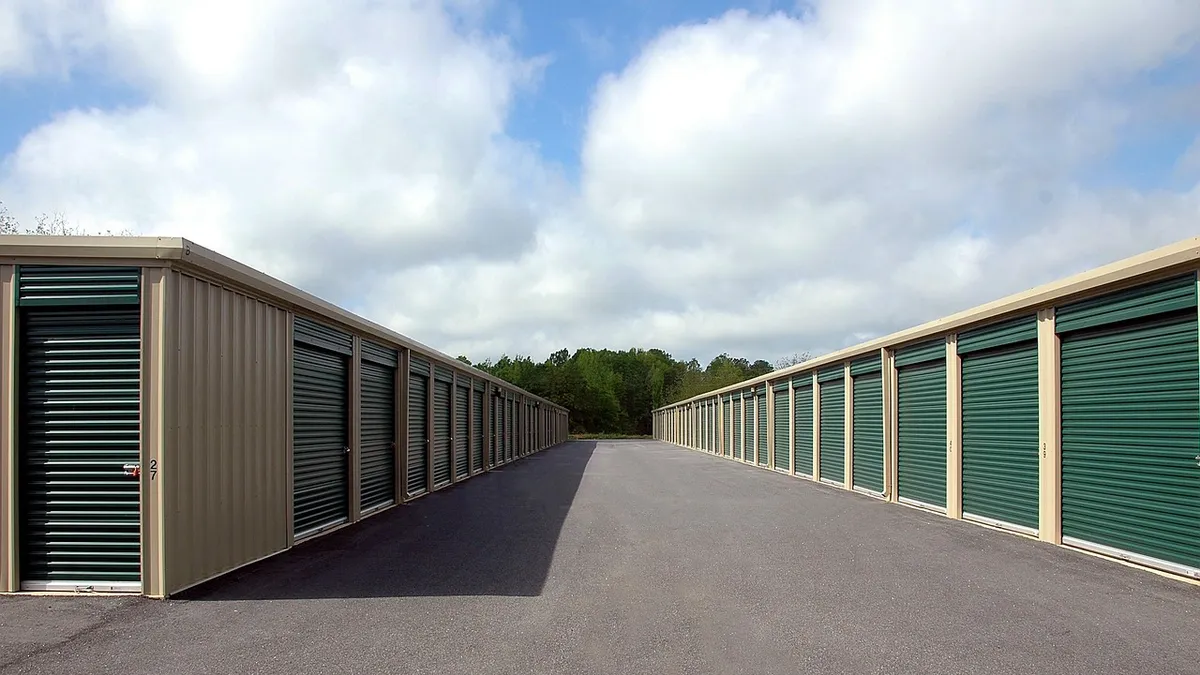
Size-specific research from Move.org, based on more than 3,500 quotes collected directly from storage facilities, breaks typical monthly costs down by size: around $60 a month for a small unit (5×5 to 5×10 feet — enough for a tent, sleeping bags and a few bins), about $140 a month for a medium unit (5×15 to 10×15 feet), and roughly $260 a month for a large unit (10×20 to 10×30 feet, closer to a one-car garage’s worth of space). Climate-controlled units, which matter for fabric, foam and down-filled gear, typically cost more than a standard unit of the same size — get an exact quote locally rather than assuming a fixed premium, since it varies by facility.
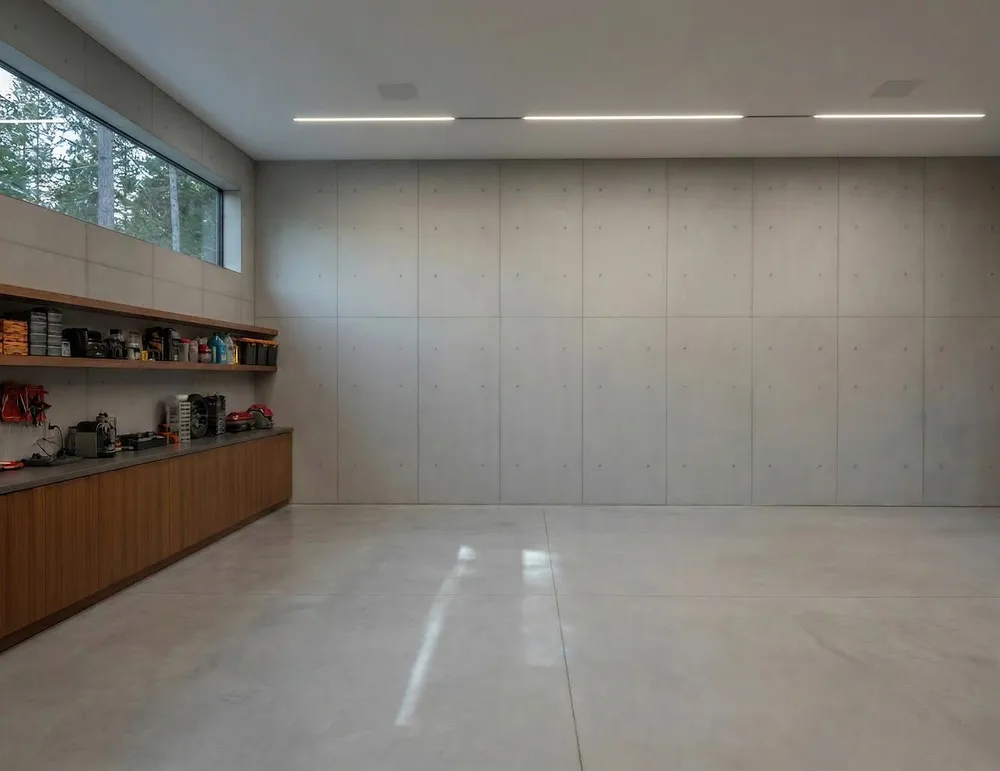
Multiply any of those monthly figures by 12 and the annual cost becomes obvious: even the cheapest small unit runs $720 a year, and a medium unit runs about $1,680 a year. For comparison, our shed vs. garage vs. closet scorecard covers how to get climate-stable, secure storage out of space you already have, usually for the one-time cost of a shelf, a few sealed bins and some organizing — not a recurring bill.
When Does Home Storage Clearly Win?
Access frequency settles this before cost even enters the picture. If you use your camping gear more than about once a month — weekend trips through spring and summer, a standing gear closet you restock after every outing — a self-storage unit adds a drive, a gate code and an unload-reload cycle to every single trip. No monthly rate is low enough to offset that, because the real cost is time and friction, not dollars.
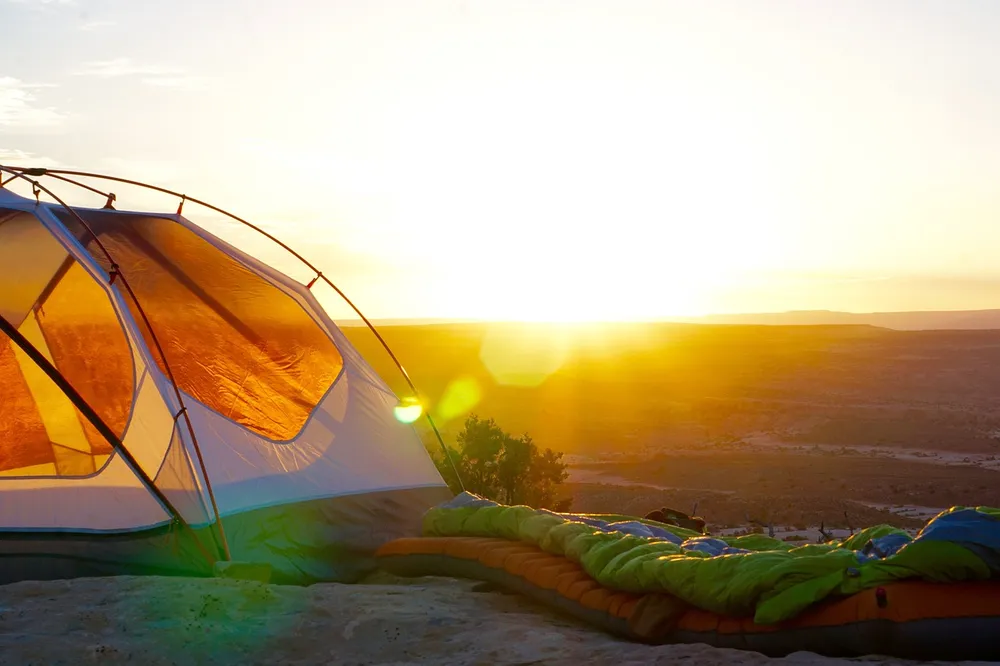
Home storage also wins by default any time the home option is genuinely available and safe. A closet, a zoned garage corner or even a labeled under-bed bin costs nothing ongoing once it’s set up, and it doesn’t require driving anywhere to grab a forgotten stove before a trip. The only time this logic breaks down is when the home option isn’t actually safe for the gear — a damp basement that’s already ruined one sleeping bag, or a household with no spare space of any kind.
When Might a Self-Storage Unit Actually Make Sense?
There are a few narrow, legitimate cases. A large gear collection — full car-camping and backpacking kits for a family, or expedition-level overlanding gear — can be worth several thousand dollars and simply may not fit anywhere in a smaller home. Someone moving between residences, living in temporary housing, or downsizing may need a bridge solution for a few months. And a renter with no closet, no garage and no permitted balcony storage sometimes has no home option at all, not even a decluttered one.
In each of those cases, the decision still comes down to the same math: compare your gear’s value and how rarely you’d access it against the actual quoted rate at a facility near you, not against a storage company’s marketing copy. If you’re weighing storage mainly because gear has piled up and some of it doesn’t get used anymore, it’s worth asking a more basic question first: do you need to store all of it? Our guide to decluttering camping gear you don’t use walks through deciding what to keep, repair, sell or donate — often the cheapest “storage upgrade” is simply owning less gear.
Run the Numbers: A Break-Even Table for Your Own Gear
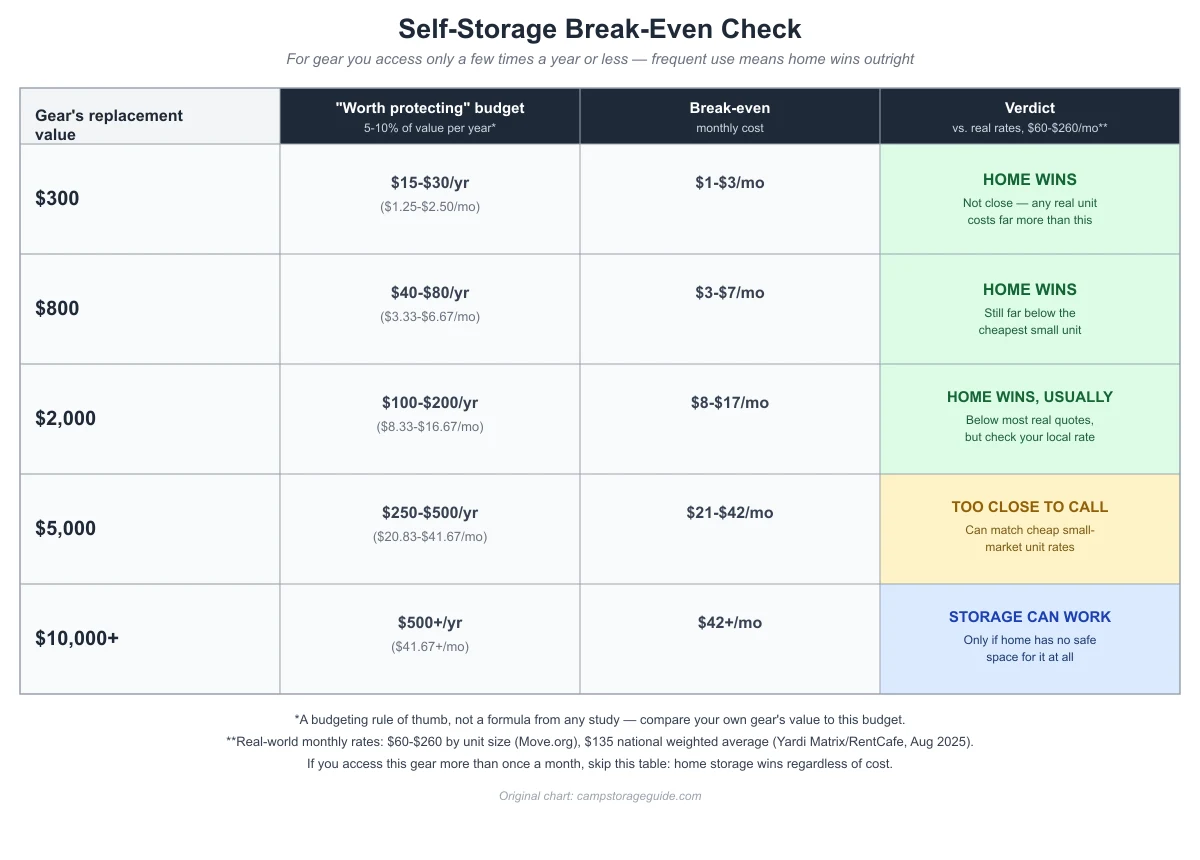
The table below gives an objective way to pressure-test the decision, using a simple budgeting rule of thumb: treat the money you’d spend on storage like a kind of insurance premium for protecting gear you can’t easily store at home. A reasonable ceiling for that is roughly 5-10% of the gear’s total replacement value per year. Divide that by 12 for a break-even monthly figure, then compare it to real-world rates.
| Gear’s replacement value | “Worth protecting” budget (5-10%/yr)* | Break-even monthly cost | Verdict vs. real rates, $60-$260/mo** |
|---|---|---|---|
| $300 | $15-$30/yr | $1.25-$2.50/mo | Home wins — not close, any real unit costs far more |
| $800 | $40-$80/yr | $3.33-$6.67/mo | Home wins — still far below the cheapest small unit |
| $2,000 | $100-$200/yr | $8.33-$16.67/mo | Home wins, usually — below most real quotes, but check your local rate |
| $5,000 | $250-$500/yr | $20.83-$41.67/mo | Too close to call — can match cheap small-market unit rates |
| $10,000+ | $500+/yr | $41.67+/mo | Storage can work — only if home truly has no safe space for it |
*A budgeting rule of thumb, not a formula from any published study — use it to compare your own gear’s value to a spending ceiling, then weigh that against an actual local quote. **Real-world rates: $60-$260 a month by unit size (Move.org, based on 3,500+ facility quotes), with a $135 national weighted average (Yardi Matrix/RentCafe, August 2025).
Reading down the table, home storage wins clearly for most camping gear collections, since a typical kit of a tent, sleeping bags, a cooler and some chairs rarely tops $1,000-$2,000 in replacement value. The picture only shifts for genuinely large or specialized collections — and even then, only if a real local quote comes in at or below the break-even figure, not an imagined one.
What Else Factors In: Security, Insurance and Hidden Fees?
Cost isn’t the only variable. Camping gear — tents, stoves, coolers, bikes — is portable and easy to resell, which makes it worth protecting regardless of where it’s kept. A storage unit’s security is only as good as that specific facility’s gate, cameras and staffing, and quality varies a lot between locations and price tiers. A locked interior closet inside an occupied, alarmed home starts from a stronger baseline by comparison, since it isn’t a stand-alone target the way an unattended unit can be.
Most facilities also require proof of insurance — either your own homeowners or renters policy extended to cover off-site property, or a protection plan sold by the facility — since a storage operator’s own liability coverage typically doesn’t cover your belongings. Factor that premium into the real monthly cost, not just the advertised rental rate. Facilities also commonly charge a one-time administrative fee and sell a specific lock as a condition of renting, and nearly every self-storage rental agreement includes a lien clause: if rent goes unpaid, the facility can eventually sell the contents of the unit to cover the balance, following whatever notice process that state’s law requires. None of that is unusual or improper — it’s standard in the industry — but it’s worth reading in the agreement before signing, because it’s a real cost and risk that a storage company’s own marketing blog has no reason to highlight.
Fuel canisters, propane and other flammables are a safety issue as much as a storage one. Most self-storage rental agreements explicitly prohibit hazardous and flammable materials, so a unit typically isn’t a legal option for fuel in the first place — it needs to stay at home in a detached shed or ventilated garage, following the instructions printed on the canister and your local fire code.
So Which One Should You Pick?
Start with frequency: if you use your gear more than once a month, stop here and store it at home. If access is rare — a seasonal pack-away, say — run your gear’s replacement value through the break-even table above and compare the result to an actual quote from a facility near you, not a national average. For the large majority of camping gear collections, that comparison points to home storage, organized well, as the better deal. Save a self-storage unit for the narrow case where gear is genuinely too much for the home you have, and treat the decision as a cost comparison, not a lifestyle upgrade.
Frequently Asked Questions
Is a self-storage unit ever cheaper than making room at home?
Rarely, for typical camping gear. Making room at home — adding a shelf, a few sealed bins, or clearing closet space — is usually a one-time cost, while a storage unit is a recurring monthly bill that often runs $720-$3,000 or more a year depending on size. Storage only competes when home truly has no safe space available.
Do self-storage units protect camping gear from mold better than a garage?
A climate-controlled unit can hold steadier humidity than an uninsulated garage, similar to how an interior closet performs. But a sealed bin with a desiccant packet in a well-organized garage often gets most of that same protection without the monthly fee — see our shed vs. garage vs. closet comparison for the full moisture breakdown.
What size storage unit do I need for camping gear?
A small unit (5×5 to 5×10 feet) typically fits a tent, sleeping bags, a couple of chairs and some bins — enough for one or two people’s core kit. A full family’s car-camping gear, including a cooler, folding table and multiple sleeping bags, usually needs a medium unit (5×15 to 10×15 feet).
Can I store camping fuel or propane in a self-storage unit?
No. Most self-storage rental agreements prohibit flammable and hazardous materials, including fuel canisters and propane, as a condition of the lease. Store fuel at home in a detached shed or ventilated garage instead, away from heat sources, following the instructions on the canister and local fire code.
Is it worth getting insurance for camping gear in a storage unit?
Most facilities require some form of coverage before they’ll rent to you, either your own homeowners or renters policy extended to off-site property, or a protection plan sold by the facility. Confirm which applies and its cost before signing, since it adds to the real monthly price of the unit.
Sources
- RentCafe — Self Storage Report, August 2025 (data from Yardi Matrix)
- Move.org — How Much Does the Average Storage Unit Cost?
- US Environmental Protection Agency — A Brief Guide to Mold, Moisture and Your Home
campstorageguide.com Editorial Team. Last updated: November 13, 2026.